
Some words don’t translate. And that’s the point.
If you’ve ever tried translating Azerbaijani into English word for word, you’ve probably felt it.
You know the vocabulary.
You understand the sentence.
But something feels… off.
That’s because some Azerbaijani words don’t exist in English in the way they exist in Azerbaijani. Not because English is “missing” something, but because languages grow around different values, habits, and social rules.
Translation explains meaning.
Language explains how people think.
“Sağ ol” isn’t just “thank you”.
On paper, sağ ol gets translated as thank you.
In real life, it’s closer to:
- appreciation
- acknowledgment
- goodwill
- respect
- emotional closure
You say sağ ol when someone helps you.
You also say it when someone listens.
Or when they show up.
Or when words aren’t really needed.
English “thank you” can sound transactional.
Sağ ol often sounds relational.
That difference matters. I go deeper into sağ ol in Why Azerbaijanis Say “Sağ ol” Instead of “Thank You”.
“Qismət” is not fate. It’s acceptance.
English speakers usually translate qismət as fate or destiny. That’s incomplete.
Qismət isn’t about giving up control.
It’s about recognizing limits without bitterness.
When someone says:
“Qismət deyilmiş.”
They’re not saying “it was meant to be” or “it was not meant to be” in a dramatic way.
They’re saying:
“This didn’t work out, and I’m at peace with that.”
That calm acceptance is cultural, not grammatical.
“Ayıb” is social, not moral.
This one confuses learners a lot.
Ayıb is often translated as shame or embarrassing.
But that misses the point.
Ayıb isn’t about guilt.
It’s about social awareness.
You can do something that isn’t illegal, immoral, or even wrong, and still hear:
“Ayıbdır.”
What it really means is:
“This violates an unspoken social expectation.”
English doesn’t have a clean equivalent because English-speaking cultures tend to separate personal choice from social judgment more sharply.
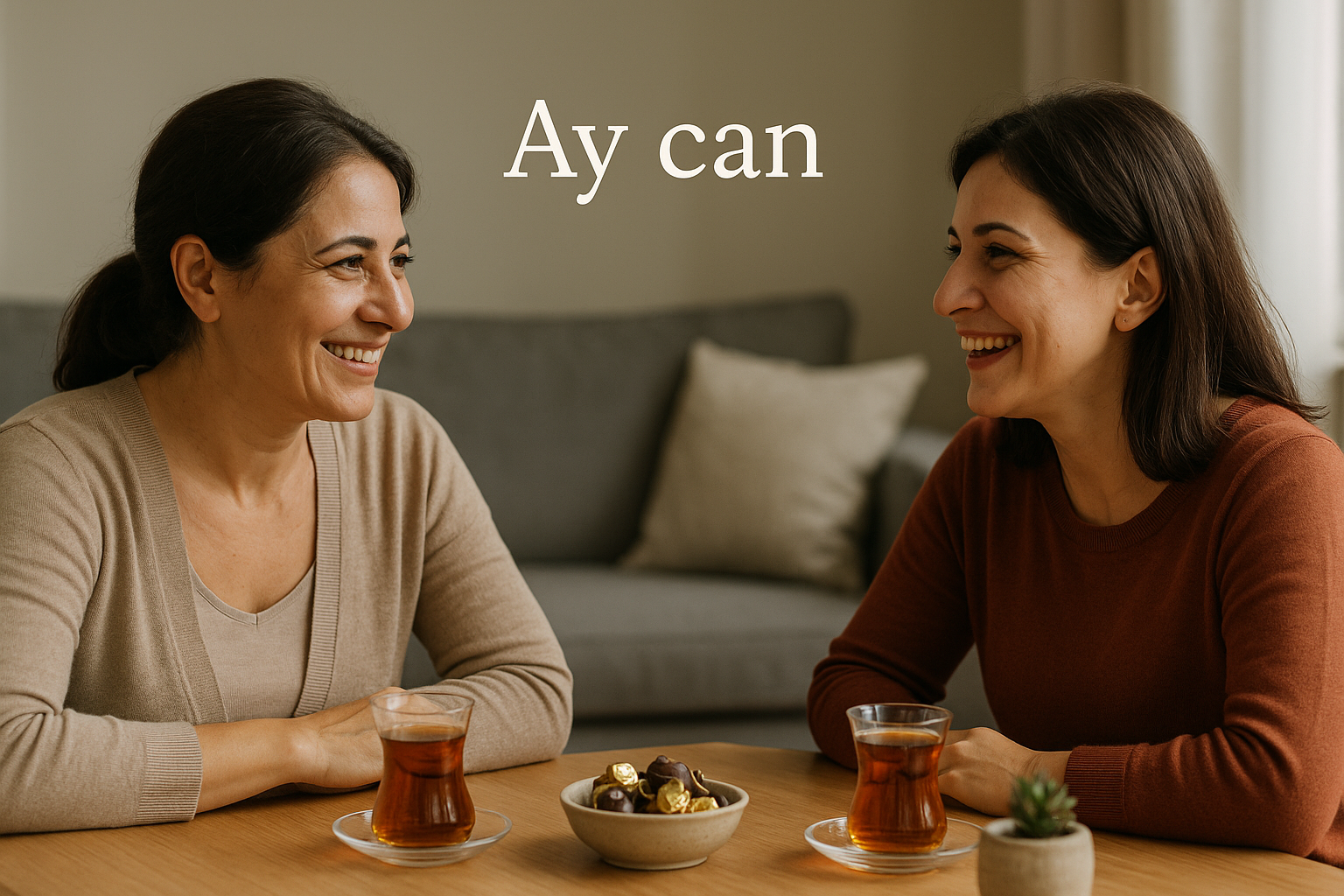
“Ay can” changes meaning depending on who says it.
Literally, can means soul or life.
In practice, it can mean:
- Yes, dear
- Yes, my love
- Yes?
- What do you need?
- Can you repeat?
- What was it again?
- I’m listening
- Calm down
The same word can feel warm, casual, or comforting depending on tone and context.
English would need different words for each version. Azerbaijani doesn’t.
“Baş üstə” isn’t agreement. It’s commitment.
You’ll often hear baş üstə translated as okay or sure.
But baş üstə carries weight.
It means:
- I understand
- I’m on it
- You got it
- Consider it done
- I accept responsibility
- I will take care of this
It’s not a casual agreement.
It’s closer to saying “I’ve got this” and meaning it.
That’s why translating it as okay feels weak.
Why these words matter if you’re learning Azerbaijani
These words aren’t advanced vocabulary.
They’re everyday language.
If you translate them mechanically, you’ll understand sentences but miss intent.
If you learn them in context, conversations start making sense.
This is also why learning Azerbaijani isn’t just about grammar or pronunciation. Language carries culture quietly, through words that don’t announce their complexity.
You don’t need perfect translations. You need awareness.
Trying to find a perfect English equivalent for every Azerbaijani word will frustrate you.
A better approach is asking:
- When is this word used?
- Who says it to whom?
- What emotion does it carry?
That shift alone changes how you learn.
What These Words Teach You
Untranslatable words aren’t barriers. They’re invitations.
They show you where a culture draws its boundaries, what it values, and how people relate to each other beyond literal meaning.
Once you notice them, Azerbaijani stops feeling “hard” and starts feeling intentional.
And that’s when learning gets interesting.
Keep Learning Azerbaijani in Context
Words like sağ ol, qismət, ayıb, and baş üstə make the most sense when you see them inside real situations, not as isolated vocabulary.
That is also how Master Azerbaijani is built: foundation first, then practical phrases, cultural context, grammar, and everyday communication step by step.